Florida Hurricane Window and Door Protection in Destin by The Chill Penguin

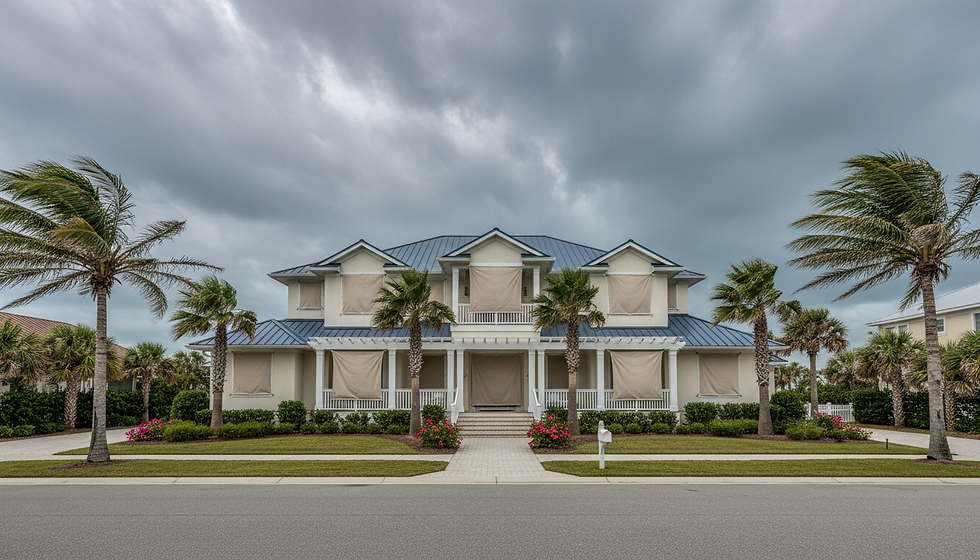
A Florida hurricane does not test a home one piece at a time. It pushes on the roof, pulls at the walls, drives rain sideways, and looks for weak spots at every opening. In Destin and the surrounding Gulf Coast communities, those weak spots often include windows, exterior doors, sliding glass doors, and garage doors.
That is why hurricane protection is not just about buying “strong glass” or adding shutters after a storm enters the forecast. Florida homes need products that match the site, the code, the wind zone, the opening size, and the way the product is installed.
The Chill Penguin helps property owners in Destin and nearby areas understand those details, select the right approved products, and handle the permit process the right way. With Penguin Power Discount Pricing and license number CONSTR-CTR-000213-2025, The Chill Penguin focuses on code-compliant protection for the openings that matter most.

Why openings are the first concern during a Florida hurricane
When people think about storm damage, they often picture missing shingles or fallen trees. Those are real risks, but openings deserve special attention because they can change the way wind behaves inside a house.
If a window, door, or garage door fails during a storm, wind can enter the building. Once that happens, internal pressure can rise. The home may then face pressure from the outside and inside at the same time. That can increase stress on the roof, walls, and remaining openings.
Wind-driven rain creates another problem. Even when a structure stays standing, water intrusion through failed or poorly installed openings can damage flooring, drywall, cabinets, insulation, wiring, and personal property.
In a Hurricane Destin scenario, coastal exposure, open terrain, nearby water, and wind-borne debris can all raise the risk. The right products and installation methods help reduce that risk before the first warning is issued.
Common opening risks include:
Large glass areas that face open exposure
Sliding glass doors with older frames or worn tracks
Entry doors that lack the right anchors or hardware
Garage doors without proper reinforcement
Products that look strong but do not meet the required approval for the home’s location
Installations done without a permit or inspection
The simple rule is this: a hurricane-rated product only protects as intended when it is approved for the location and installed according to its approval documents.
Design pressure, impact rating, and glazing are not the same thing
Florida hurricane protection uses several technical terms. They often get mixed together, but each one answers a different question.
Design pressure explains wind force
Design pressure, often shown as DP or expressed in positive and negative pressure ratings, measures how much wind pressure a window, door, or garage door assembly is designed to resist.
Positive pressure pushes inward. Negative pressure pulls outward. During a hurricane, a home can experience both. For example, wind may push hard against the front of a house while suction pulls at the back or side elevations.
Design pressure depends on several factors, including:
Wind speed requirements for the area
Building height
Opening size
Exposure category
Location of the opening on the structure
Distance from corners and edges
Product type and installation method
A small bathroom window and a large sliding glass door may need very different ratings, even on the same home. That is why a one-size-fits-all approach does not work.
Impact rating addresses flying debris
Impact-rated products are tested to resist impact from wind-borne debris. In plain language, this means the product is designed to take a hit from storm debris and still protect the opening within the limits of its approval.
Impact resistance matters along the Florida coast because hurricane winds can turn loose materials into projectiles. Tree limbs, roof debris, fence pieces, patio furniture, and construction materials can strike glass and doors at high speed.
Impact-rated products usually include tested glass, framing, anchors, and installation details as a complete system. Replacing only the glass does not automatically make the whole opening compliant.
Glazing refers to the glass system
Glazing is the glass portion of a window or door system. In hurricane-rated products, glazing may include laminated glass, insulated laminated glass, or other tested assemblies.
Laminated glass often includes an interlayer between pieces of glass. If the glass cracks, the interlayer helps hold the glass together. That can help keep the building envelope protected after impact.
Glazing performance depends on the full assembly. The frame, stops, sealants, fasteners, and anchoring all matter. A strong glass panel in a weak frame is not a complete solution.
Term | What it answers | Why it matters |
Design pressure | Can the product resist required wind loads? | Helps prevent failure from push and pull forces |
Impact rating | Can the product resist wind-borne debris impact? | Helps protect the opening from flying objects |
Glazing | What glass system is used? | Affects impact resistance, water control, energy performance, and durability |

What FBC means and how HVHZ is different
Florida uses the Florida Building Code, often called the FBC, to set construction standards across the state. For windows, doors, and other exterior openings, the FBC includes requirements tied to wind resistance, impact protection, product approvals, installation, and inspections.
The state also recognizes a stricter High-Velocity Hurricane Zone, known as HVHZ. HVHZ applies to Miami-Dade and Broward Counties, not the Destin area. Products approved for HVHZ often meet very demanding testing and documentation standards because those counties face some of the most severe hurricane design requirements in Florida.
Destin and nearby communities are generally governed by the FBC requirements that apply to their location, wind speed, exposure, and local permitting rules. That does not mean the standards are light. Coastal Panhandle homes still need careful product selection and proper installation.
The key difference is this:
FBC
Applies statewide, with requirements that vary by location and project conditions.
HVHZ
Applies specifically to Miami-Dade and Broward Counties and includes special high-velocity hurricane requirements.
An HVHZ-approved product may be acceptable in many non-HVHZ areas if it fits the opening, design pressure, and approval conditions. But the reverse is not always true. A product that meets FBC requirements for Destin may not be accepted in HVHZ.
This is where experience matters. The Chill Penguin reviews product approvals, opening sizes, design pressures, and local permit requirements so the selected product matches the property instead of relying on a label that sounds strong.
How hurricanes affect garage doors, exterior doors, and windows
Every opening has its own failure points. A window may crack or pull from its frame. An entry door may fail at the lock side or hinges. A garage door may bend inward and come out of its tracks.
That is why impact, hurricane protection, garage doors, windows, exterior doors should be treated as one connected system rather than separate upgrades.
Garage doors need special attention
Garage doors are often the largest opening on a home. Because of their size, they can experience significant wind pressure. If a garage door fails, wind can enter a large interior space quickly.
Older garage doors may lack the reinforcement, track strength, hinges, rollers, and anchoring needed for current wind requirements. A hurricane-rated garage door is tested as a full assembly. The door sections, tracks, brackets, springs, hardware, and attachment details all work together.
A proper garage door evaluation looks at:
Door width and height
Wind-load rating
Track and jamb attachment
Reinforcement requirements
Product approval documents
Compatibility with the existing structure
Permit and inspection needs
Installing a new door without matching the required design pressure can create a false sense of security.
Exterior doors must resist pressure and water
Front doors, side doors, patio doors, and service doors need more than a sturdy slab. The frame, threshold, hinges, lockset area, anchoring, and weather seals all affect performance.
During hurricane conditions, exterior doors face wind pressure and wind-driven rain. A weak frame can rack or pull loose. Poor anchoring can let the whole unit shift. Worn seals can allow water to enter even if the door stays closed.
Hurricane-rated exterior doors may include reinforced cores, impact glazing if glass is present, approved frames, tested hardware, and detailed fastening schedules.
Windows and sliding glass doors are exposed targets
Windows protect light, views, and ventilation every day. During a storm, they also protect the building envelope.
Impact-rated windows and sliding glass doors are designed to resist debris and pressure when installed correctly. Large openings, especially sliding glass doors facing open water or wide exposure, require careful attention to design pressure.
The product approval may include limits on size, glass type, frame type, mullions, anchoring, and substrate. If the installed condition does not match the approval, the protection may not meet code.

What a wind-borne debris area means
A wind-borne debris area is a location where building code requires protection from debris carried by high winds. In these areas, exterior glazed openings often need impact-rated products or an approved protection system such as shutters.
Florida’s rules for wind-borne debris protection depend on location, wind speed, proximity to the coast, and current code maps. Local building departments use these rules when reviewing permits.
For a homeowner, the practical meaning is simple. If the property is in a wind-borne debris area, ordinary non-impact glass may not satisfy the requirement unless it has approved protection. That can affect windows, glass doors, and other glazed openings.
Wind-borne debris requirements help reduce the chance that flying objects will breach the home. They also help protect people inside during severe weather.
The Chill Penguin helps confirm whether wind-borne debris requirements apply to a specific project and what product choices make sense for the structure.
Why permits are vital for hurricane protection work
A permit is not just paperwork. For hurricane window and door protection, the permit connects the job to the code.
The permit process helps confirm that:
The selected products have proper Florida approvals or accepted documentation
The design pressures match the building and opening conditions
Installation details follow the product approval
Fasteners, anchors, and substrates meet requirements
The work receives inspection
Records exist for future sale, insurance review, or storm claims
Unpermitted work can create serious problems. A product may look correct but lack the right approval for the opening. The installer may use the wrong fastener spacing. The substrate may not support the required anchoring. The property owner may have no inspection record to show the work was done properly.
With The Chill Penguin handling the process, property owners do not have to guess which forms, product approvals, or inspections apply. The team coordinates the details so the work is documented and installed correctly.
That matters before a storm. It also matters after one, when records may become important for repairs, resale, or insurance questions.
How proper protection may affect insurance and safety
Some insurance companies offer premium deductions or credits for homes with properly installed wind mitigation features. These may include impact-rated openings, approved shutters, reinforced garage doors, roof-to-wall connections, and other qualifying improvements.
The exact discount depends on the insurance company, the policy, the home, inspection results, and Florida insurance rules at the time. No contractor can guarantee a premium reduction. Still, properly documented hurricane protection can support a wind mitigation inspection and may help a property qualify for available deductions.
This information is general and not insurance advice. Property owners should confirm details with their insurance agent or carrier.
The safety value is more direct. Stronger openings reduce the chance of glass breakage, flying debris entering the home, sudden pressure changes, and water intrusion. During a hurricane, those protections can make a meaningful difference for occupants sheltering inside.

Why Destin property owners choose The Chill Penguin
Hurricane protection requires product knowledge, code knowledge, and installation discipline. The Chill Penguin brings those pieces together for Destin and the surrounding areas.
The team helps with:
Evaluating existing windows, doors, and garage doors
Identifying openings that need upgraded protection
Matching products to Florida Building Code requirements
Understanding design pressure and impact requirements
Reviewing glazing options for hurricane-rated systems
Handling permit needs and documentation
Coordinating proper installation and inspection
Helping owners prepare records that may support insurance review
The Chill Penguin also offers Penguin Power Discount Pricing, giving property owners a clear path to upgrade protection without guessing their way through product labels and permit requirements.
License number CONSTR-CTR-000213-2025 reflects the company’s authorized work in this field. For a home on the Gulf Coast, that matters. The wrong product or poor installation can fail when it is needed most.
The best time to prepare is before the forecast changes
Hurricane preparation should happen long before plywood sells out and contractors’ schedules fill up. Windows, doors, and garage doors need measured openings, code review, product selection, permits, delivery time, installation, and inspection.
A well-protected property starts with the basics:
Know whether the home is in a wind-borne debris area
Check the age and rating of windows and doors
Review the garage door for wind-load compliance
Confirm that products carry proper approvals
Use permitted installation with inspection
Keep records for future insurance and resale needs
Florida hurricanes are powerful, but the building code exists for a reason. When the right products meet the right installation, a home has a stronger chance of resisting wind, debris, and rain.
For Destin hurricane protection and nearby Gulf Coast communities, The Chill Penguin offers the experience, permitting support, and product knowledge needed to protect the openings that protect the home. Preparing now is not just about code. It is about safety, documentation, and peace of mind when the next storm forms offshore.

Comments